
# How to Get to Chartreuse from the UK: Driving, Flying and Train Options
The Chartreuse mountains sit between Grenoble to the south, Chambéry to the north, and the Lac du Bourget to the north-east — and yet there is no single obvious way in from the UK. The Vallons du Guiers, the valley at the heart of this site, is a quiet, rural valley, not a resort with its own airport and transfer buses. You get to a gateway city first, then make the last, shorter hop into the mountains yourself.
That last hop is the part most guides gloss over, and it decides whether your trip feels easy or stressful. Grenoble and Chambéry are close, but their airports are small and highly seasonal. Lyon and Geneva are further away, but they have year-round flights and car hire that keep working in every season. Driving all the way gives you the most freedom once you are there, but it is a long day, and in winter it brings mountain driving rules to know before you leave home.
This guide compares the realistic options — drive, fly, and train — for a visitor heading specifically for the Vallons du Guiers, not just for a generic French Alps ski holiday. It gives no prices or timetables as facts, because both change by season and by week. Instead it tells you which route suits which kind of trip, what to check before you book, and where the traps are.
First, decide where in Chartreuse you are actually going
"Chartreuse" covers a whole massif, and the best gateway depends on your base. If you are staying in the Vallons du Guiers — Saint-Laurent-du-Pont, Les Échelles, Entre-Deux-Guiers, Saint-Pierre-d'Entremont — you are on the western and central side, roughly between Voiron and Chambéry. Grenoble is your southern gateway, Chambéry your northern one, and Lyon is the large city to the north-west that serves both.
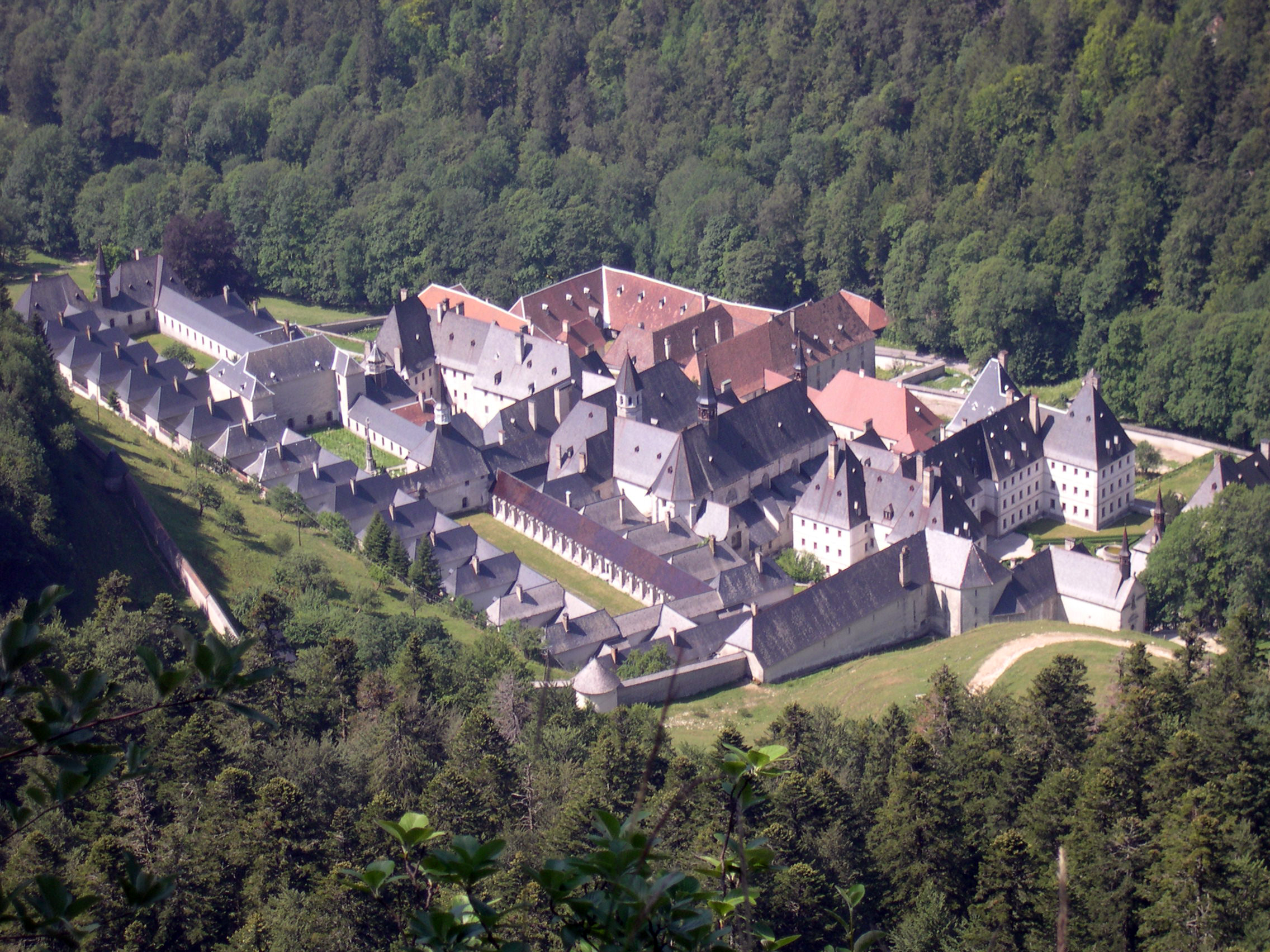
If you are staying on the eastern side, around Saint-Pierre-de-Chartreuse or the Col de Porte road, Grenoble is usually more natural. If you are combining Chartreuse with Annecy or the Lac du Bourget, Chambéry and Geneva look better. Pin down your village before you book a flight. A cheap flight to the "wrong" gateway can cost you a long, tired drive at the end of a travel day — in winter, possibly in darkness and snow.
A car is, for most visitors to this valley, close to essential. Villages are small, bus services are infrequent and seasonal, and the walks, gorges and viewpoints that make the valley special mostly start outside the villages. If you fly, plan to hire a car at the airport unless you have deliberately planned a car-free trip around one village and checked bus timetables in advance. If you drive from the UK, you already have the car — the single biggest advantage of driving.
Option 1: Driving all the way from the UK
You have two Channel choices: the Eurotunnel (Le Shuttle) from Folkestone to Calais, or a ferry, most commonly Dover to Calais or Dunkirk, with other crossings from Portsmouth, Plymouth and elsewhere. The Eurotunnel is usually faster door-to-door and runs day and night, which matters for a very early start or late arrival. Ferries can be cheaper, give you a break from driving, and suit travellers from the south coast or west of England. Pick the one that fits your starting point and your budget on the day you book.
From Calais, the classic route runs south past Reims and Dijon towards Lyon, then on the A43 towards Chambéry and Grenoble, leaving the motorway for valley roads towards Voiron, Saint-Laurent-du-Pont or Les Échelles. This is a full day's drive, with proper breaks. Do not combine a late crossing with a mountain arrival in the dark unless you are used to long European drives. Most drivers break the journey — Dijon, Beaune and Lyon are natural overnight stops — and that turns the drive into part of the holiday rather than an endurance test. If you travel with children, walking gear or a dog, an overnight stop is the difference between arriving fresh and arriving exhausted.
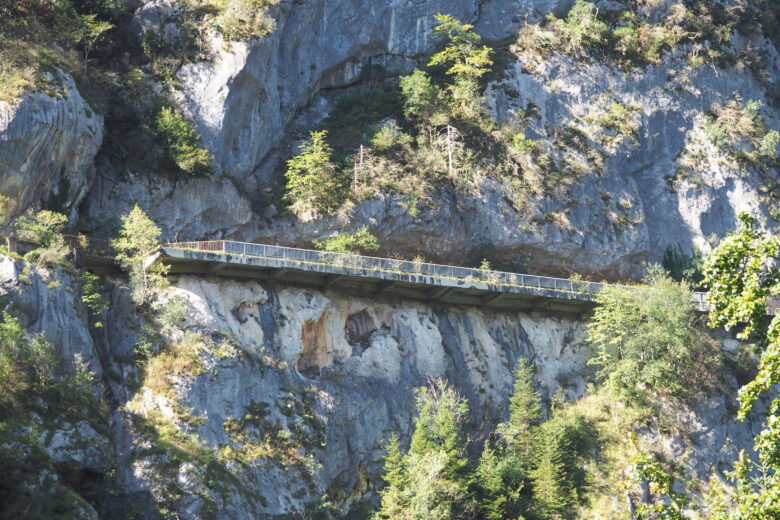
Once you leave the motorway, the drive changes completely. Valley roads are narrower and winding, and mountain roads — the Col de Porte, the Col du Cucheron, the road up the Guiers Mort to the Grande Chartreuse — are steep, with hairpins and tunnels. They are well maintained but demand attention, especially in rain, fog or low winter light. If you are not confident on mountain roads, base yourself on the valley floor at Saint-Laurent-du-Pont or Les Échelles. You do not need to cross a col to have a good trip.
In winter, France's mountain law, the loi montagne, requires winter equipment in designated mountain communes from 1 November to 31 March: either four winter tyres marked with the Alpine symbol, or snow chains or snow socks carried and fitted when conditions require. Isère and Savoie, the two departments covering the Chartreuse, are among those concerned, but the rule applies commune by commune, so check whether your route and base are covered, and do not assume a hire car collected outside a mountain area is automatically equipped.
Option 2: Flying from the UK, then hiring a car
Lyon Saint-Exupéry: the year-round workhorse
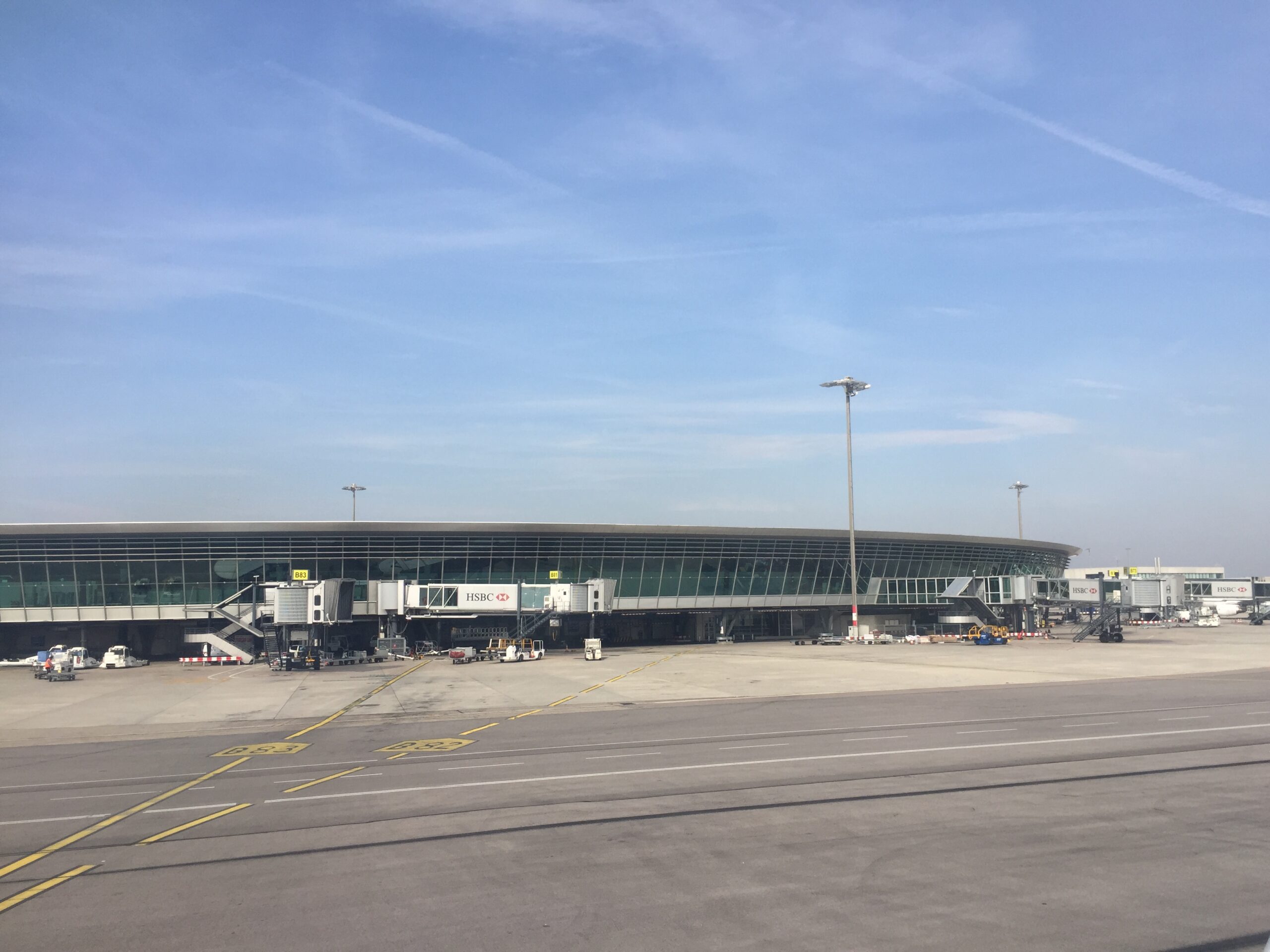
For most UK visitors, in most seasons, Lyon Saint-Exupéry (LYS) is the safest flying choice: a major airport with year-round flights from London and several other UK airports, a TGV station, and full car hire. The drive into the Vallons du Guiers runs south-east towards Chambéry and into the valley, or south towards Grenoble and Voiron, depending on your base. It is longer than from Grenoble or Chambéry, but it is a straightforward motorway drive for most of the way, and it works in every season.
Geneva: the year-round alternative, with a border to cross
Geneva Airport (GVA) is the other year-round hub, with frequent UK flights and extensive car hire. It is further from the valley than Lyon, and the route crosses from Switzerland into France, so be aware of the Swiss motorway vignette if your route uses Swiss motorways, and of different driving rules on the Swiss side. Geneva suits visitors also going to Annecy, the Lac du Bourget or the northern Alps, or finding a much better flight time there. For a pure Vallons du Guiers trip, it is usually second choice behind Lyon, because the drive is longer and the border adds paperwork and cost.
Grenoble and Chambéry: closest, but highly seasonal
Grenoble Alpes-Isère Airport (GNB) is closest to the southern and central Chartreuse, and in winter it comes alive with seasonal flights from UK airports including London, Manchester, Birmingham, Bristol and Edinburgh, operated by carriers that change from season to season. In summer that network shrinks dramatically, and outside the ski season you may find no convenient direct UK flight at all. If it works for your dates, it is a superb arrival: a short drive to Voiron, Saint-Laurent-du-Pont or Saint-Pierre-de-Chartreuse. If it does not, do not force it with an awkward connection — Lyon will be easier.
Chambéry Airport (CMF) plays a similar role in the north: busy in the winter ski season with seasonal UK flights, very quiet outside it. For a winter stay around Les Échelles or Saint-Pierre-d'Entremont, a Chambéry flight can be ideal. For a summer walking trip, Lyon or Geneva will be the practical choices. Seasonal services often operate only on Saturdays, which can dictate your whole trip's shape, so verify days of operation before booking accommodation around a Grenoble or Chambéry flight.
Before booking any flight, check: does the route operate on your dates, not just in general? Does it fit your accommodation check-in day? What time does it arrive — will you drive into the mountains in darkness? Does the car-hire desk stay open for a delayed flight? And in winter, does the hire car have winter tyres or chains? ## Option 3: Train from the UK
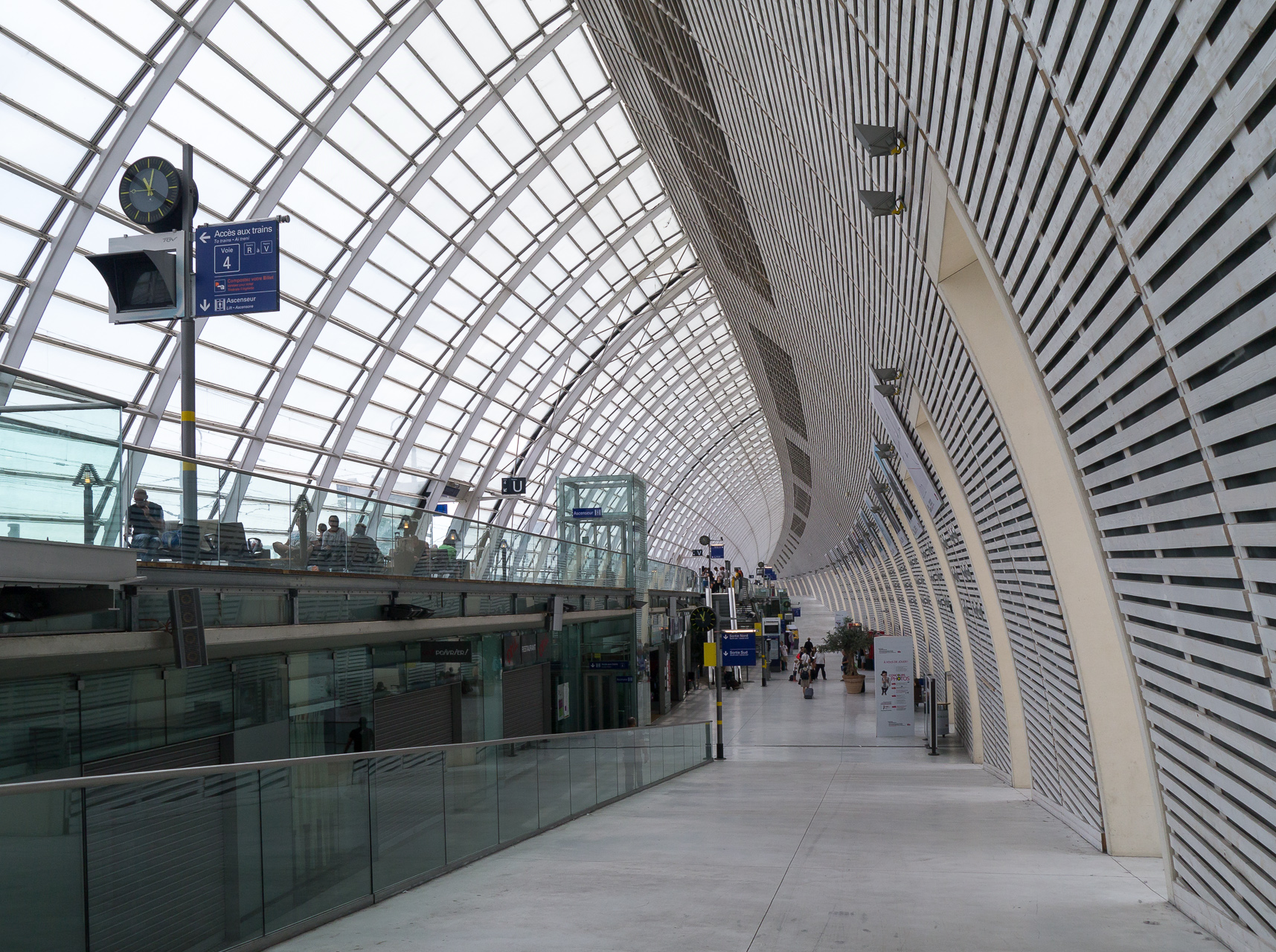
The train is the most relaxing way to reach Chartreuse, and the most complicated to book well. The classic route is Eurostar from London St Pancras to Paris Gare du Nord, a cross-Paris transfer to Gare de Lyon, and a TGV south to Lyon, Chambéry or Grenoble. Services via Lille can sometimes avoid the Paris transfer, depending on timetable. From there you still need a local train, bus or hire car into the valley.
Trains suit visitors who dislike flying, want a lower-carbon trip, or are combining Chartreuse with Paris or Lyon. They suit a car-free trip less well than they first appear, because the last hop into the valley is the weak link. The most workable plan is a hybrid: train to Lyon or Grenoble, hire a car there, and drive in. Book early, as fares rise sharply near departure and the cheapest fares are often non-flexible — which matters if a delay makes you miss a connection. Allow generous connection times, especially across Paris, and check whether one ticket covers the whole journey or you are buying separate tickets with no protection if a leg is delayed.
Getting around once you are there
Whichever way you arrive, the valley rewards a car. If you are car-free, base yourself in one village, plan walks from your door, and check bus timetables in advance — do not assume a bus runs on a Sunday, a public holiday or outside summer. Taxis exist but are not plentiful and need advance booking. ## Which option should you choose?
Whichever you choose, book car and accommodation around the same dates, check winter equipment if travelling between November and March, and leave enough daylight for your first drive into the valley. The Vallons du Guiers is at its best when you arrive unhurried, with time to stop on a bridge, look up at the limestone, and realise you are somewhere the guidebooks have mostly missed.
FAQ
What is the nearest airport to the Vallons du Guiers?
Grenoble is closest for the southern and central valley, and Chambéry for the northern valley, but both are highly seasonal. Lyon Saint-Exupéry is the nearest major year-round airport; Geneva is the other year-round hub, further away and across the Swiss border.
Can I visit Chartreuse without a car?
Yes, but with limits. Reach Lyon, Grenoble or Chambéry by train or plane and stay in one village, walking from your door. To explore the wider valley — different villages, gorges and trailheads — a car is much easier, and buses are infrequent and seasonal.
Is it better to drive or fly from the UK?
Driving wins for longer trips, families, dogs, lots of gear, and bases outside main villages. Flying to Lyon and hiring a car wins for shorter breaks and summer trips, when the small Alpine airports have few direct UK flights. Winter Saturday-to-Saturday trips should check Grenoble and Chambéry first.
Do I need winter tyres in winter?
In designated mountain communes, the loi montagne requires winter equipment from 1 November to 31 March — four winter tyres with the Alpine symbol, or chains or snow socks carried and fitted when required. Check whether your route and base are covered, and confirm with your hire company that the car is equipped.
How long does it take from London?
It depends on route, crossing or flight, and traffic or connections, so a single figure would mislead. Driving is a full day including the crossing. Flying to Lyon plus the drive in is typically a half-day door to door, but flight times, transfers and car hire all add time. Check current timetables for your actual dates.
Related reading
- getting here